Loading…

Opinion
Sweden's national team coach has effectively admitted the Damallsvenskan is no longer an elite league - and the commercial collapse unfolding around it suggests he may be right.
 AI
Ad
VIASPORT is a women’s sports platform covering the latest women’s sports news, scores, schedules, results, standings, rankings, fixtures, transfers and analysis from major leagues, tours and competitions around the world.
Our women’s football coverage includes the National Women’s Soccer League (NWSL), Women’s Super League (WSL), Liga F, Frauen-Bundesliga, Première Ligue, Serie A Femminile, Toppserien, A-Liga and Damallsvenskan, as well as major international women’s football competitions.
In women’s tennis, VIASPORT follows the WTA Tour and all four Grand Slam tournaments: the Australian Open, French Open, Wimbledon and US Open. Our women’s golf coverage includes the LPGA Tour, Ladies European Tour (LET) and the major women’s golf championships.
VIASPORT also covers women’s basketball, including the WNBA, as well as women’s boxing, MMA and combat sports. Our boxing coverage follows major fights, world championships, rankings and title bouts across organizations including the WBA, WBC, IBF and WBO, while our MMA coverage includes major organizations such as the UFC, Professional Fighters League (PFL), Invicta FC, ONE Championship and RIZIN Fighting Federation.
Our wider women’s sports coverage includes athletics, cycling, swimming, winter sports, motorsport and other emerging women’s sports and competitions. From domestic leagues and professional tours to major international championships, VIASPORT brings women’s sports news, live updates, results and analysis together in one dedicated destination.
There is a particular kind of institutional failure that announces itself not with a bang but with a spreadsheet. No title sponsor. No main sponsor. No broadcaster. Three pillars of commercial viability, all gone at once. If the Damallsvenskan were a patient, the doctors would be exchanging glances.
I wrote five weeks ago about IK Uppsala folding mid-season - the first club to literally cease to exist because the financial scaffolding around Swedish women's football had rotted through. At the time, I said Uppsala would not be the last casualty. I did not expect the next crisis to be the league itself.
Obos is departing as title sponsor. Svenska Spel is pulling out. Viaplay will no longer broadcast matches. That is not one revenue stream drying up. That is the entire commercial model collapsing simultaneously, with no replacement deals in place and clubs already scrambling for survival.
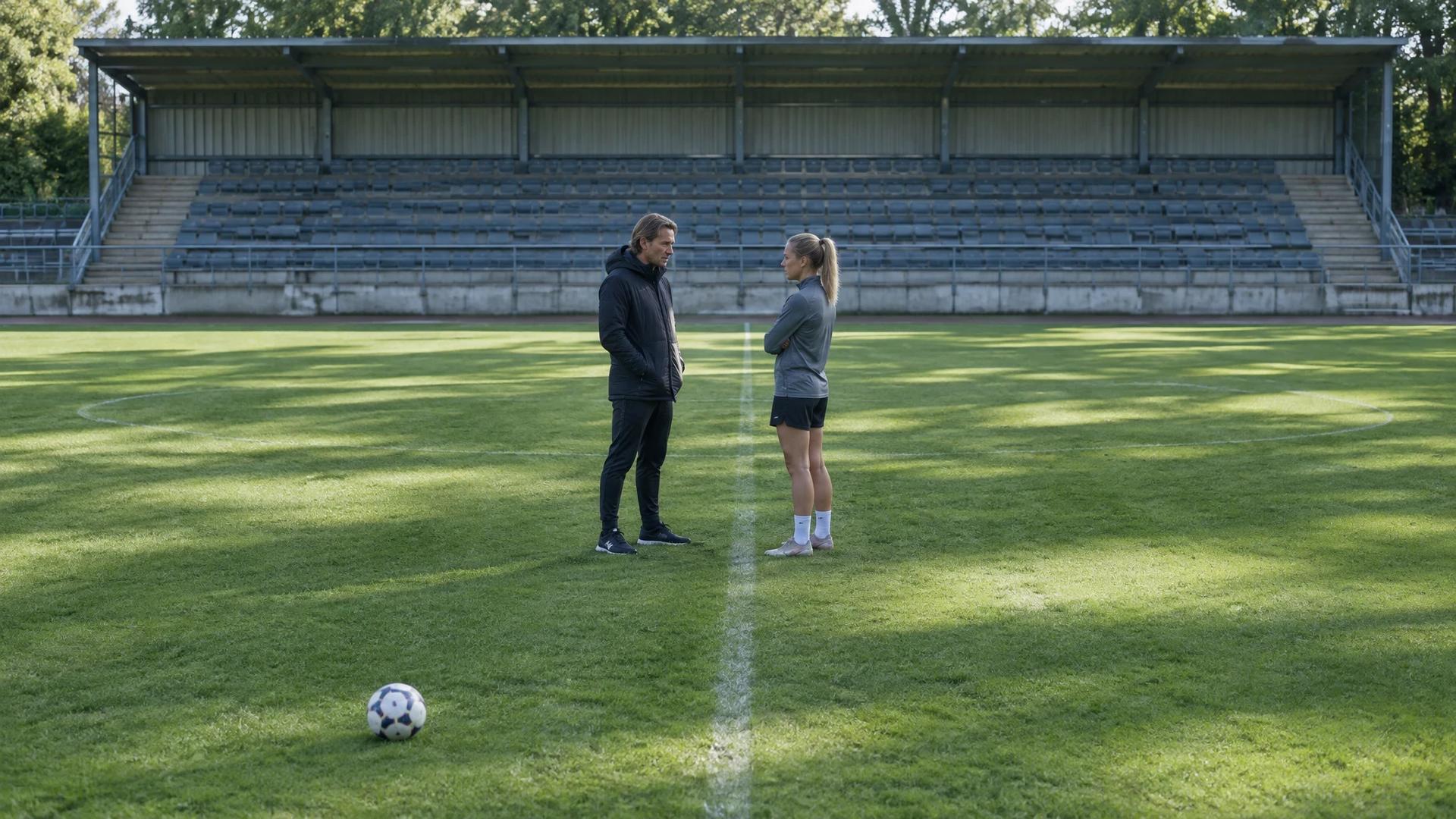
Tony Gustavsson, the national team coach, acknowledged the turmoil this weekend but framed it through a revealing lens. He suggested Damallsvenskan could increasingly function as a "development league" rather than a home for Sweden's elite talent. Let that phrase settle. The head coach of one of the world's best national teams is publicly downgrading the domestic league that feeds it.
I understand why Gustavsson said it. He has a World Cup qualifier against Scotland to prepare for, and he cannot fix the league's finances from the dugout. But his words carry weight - and the implication that Sweden's top division is no longer a destination but a stepping stone should alarm every club official, every sponsor prospect, and every fan who cares about the long-term health of the women's game in Scandinavia.
You could argue that a development league model works. The Eredivisie has operated as a feeder division for decades without anyone questioning Dutch football's relevance. Talented players leave, transfer fees come in, the cycle continues.
But the Eredivisie has a broadcast deal. It has sponsors. It has institutional stability. The Damallsvenskan, right now, has none of those things. You cannot be a development league if the development infrastructure is being dismantled. You are just a league that nobody is paying to watch.
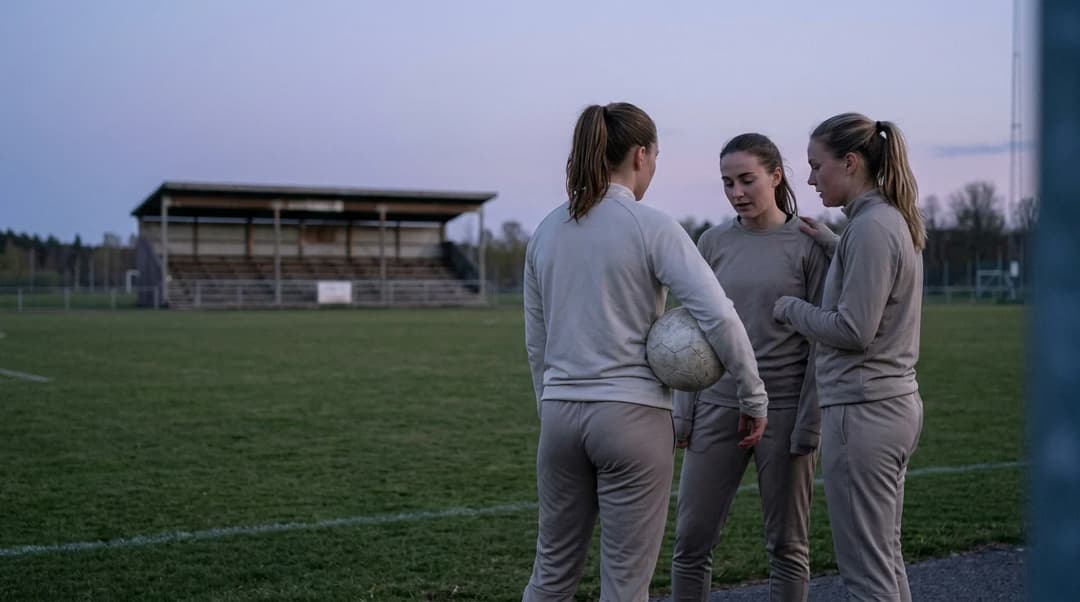
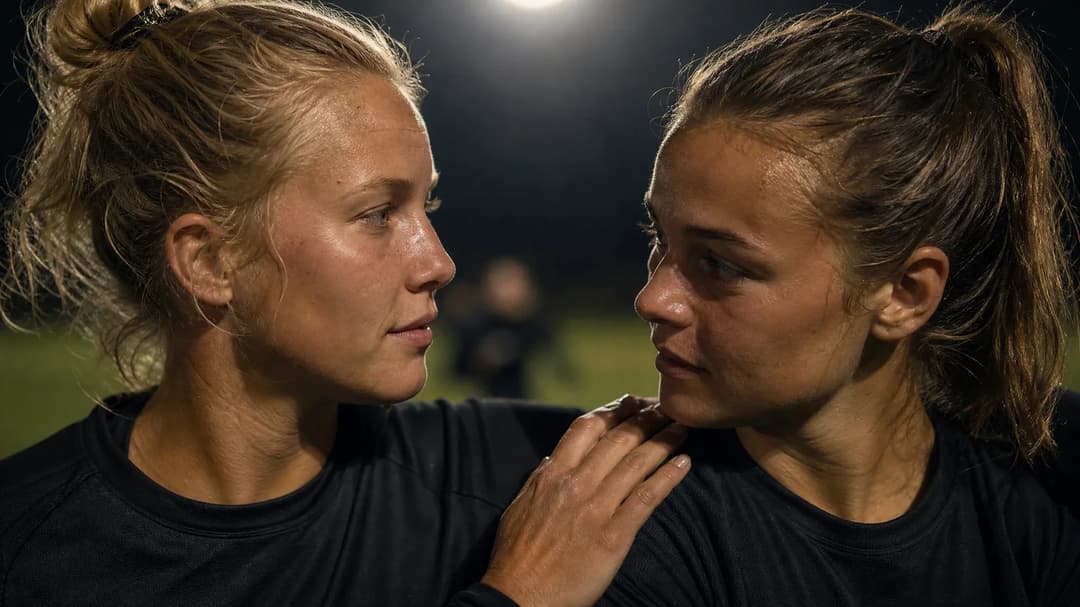
Meanwhile, look at what is happening at club level. Rosengård are stuck in a relegation fight, level on points with Norrköping. IFK Norrköping themselves have an interim coach who has openly said he will not be around beyond the season. Uppsala have already gone. The bottom of the table is not a competitive battle - it is a survival exercise with existential stakes.
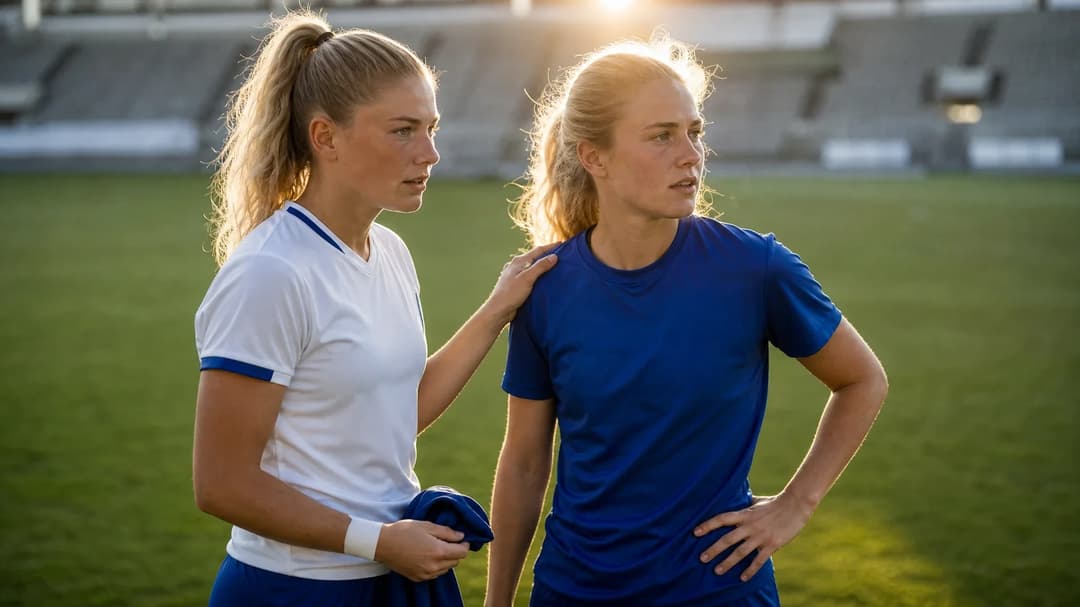
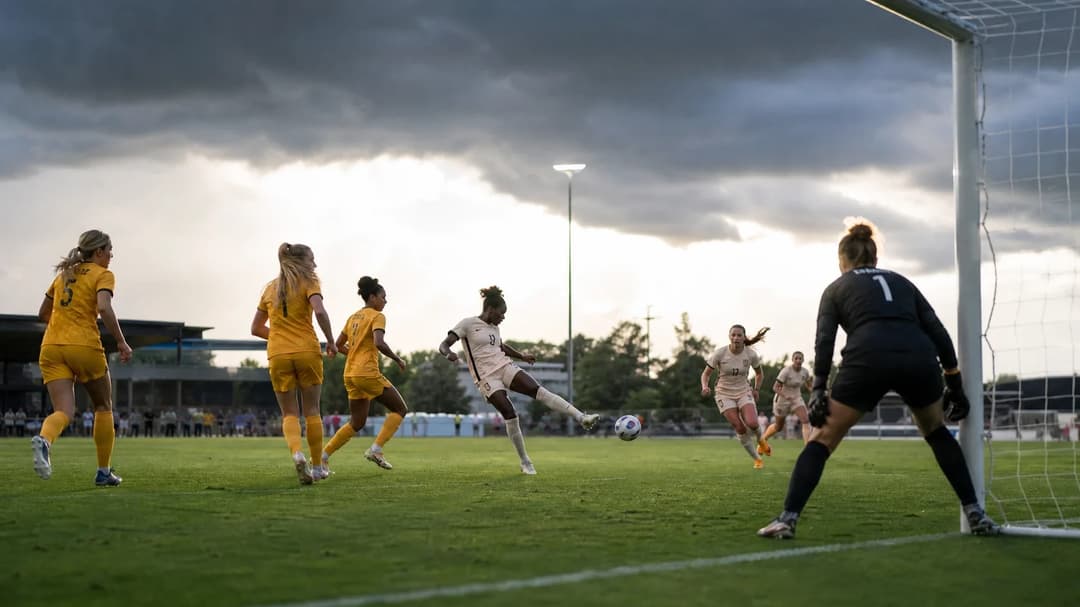
What frustrates me most is the gap between the talent Sweden produces and the domestic product it offers them. Häcken have already wrapped up the title. Filippa Widén, a 17-year-old, is scoring late winners for Kristianstad. The football exists. The players exist. What does not exist is a commercial framework that treats them as worth investing in.
Elitfotboll Dam has been negotiating. Staff have been cut. Schedules are being rethought. These are the actions of an organisation that knows the house is on fire. They are not the actions of anyone with a fire engine.
Gustavsson is right about one thing - Sweden's player development pipeline remains strong. But pipelines need somewhere to begin, and "somewhere" used to be the Damallsvenskan. If the league cannot sustain professional clubs, the pipeline does not feed itself. It just feeds other countries' leagues.
The national team coach has quietly told us the truth: the Damallsvenskan is no longer competing for relevance with the WSL, the NWSL, or Liga F. It is competing for existence. Uppsala was the first domino. The commercial collapse is the second. The question is not whether more clubs will follow - it is how many, and how quickly.
Five weeks ago I asked who in Swedish football was going to open new doors. Nobody answered. The old ones are still closing.
Written by
Updated
Copyright 2026 VIASPORT
Eva Hernández, Editor-in-Chief
VIASPORT uses AI to generate, enhance, and quality-assure its journalism. While we strive to create engaging and accurate material, imagery, grammar, and spelling may occasionally deviate from conventional standards.