Loading…

Opinion
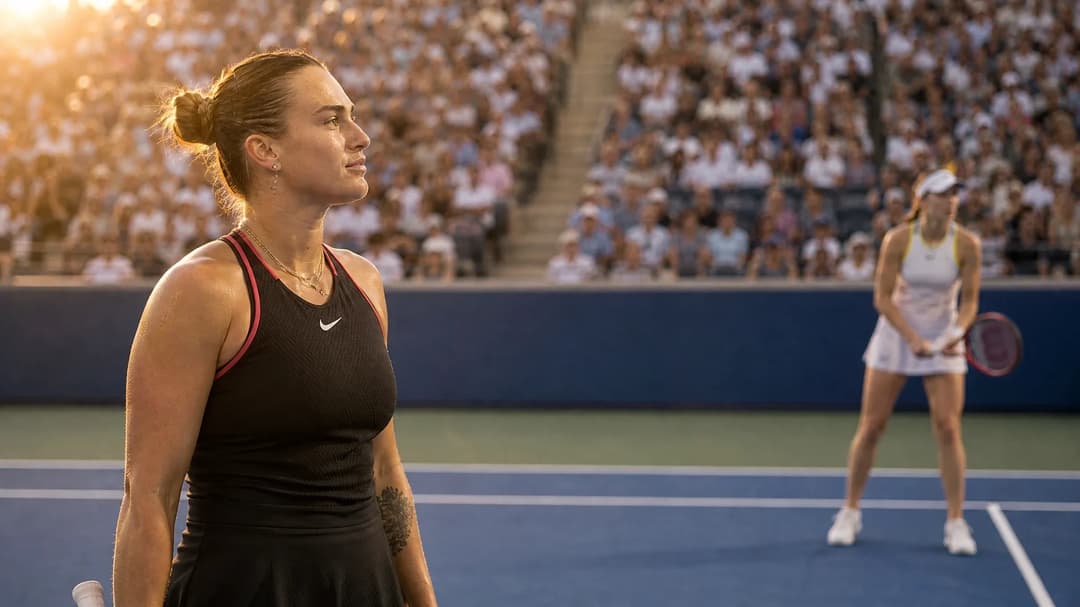
Aryna Sabalenka's relentless hard-court dominance - four consecutive US Open finals and counting - is no longer merely impressive. It is exposing a competitive vacuum that the rest of women's tennis urgently needs to address.
VIASPORT is a women’s sports platform covering the latest women’s sports news, scores, schedules, results, standings, rankings, fixtures, transfers and analysis from major leagues, tours and competitions around the world.
Our women’s football coverage includes the National Women’s Soccer League (NWSL), Women’s Super League (WSL), Liga F, Frauen-Bundesliga, Première Ligue, Serie A Femminile, Toppserien, A-Liga and Damallsvenskan, as well as major international women’s football competitions.
In women’s tennis, VIASPORT follows the WTA Tour and all four Grand Slam tournaments: the Australian Open, French Open, Wimbledon and US Open. Our women’s golf coverage includes the LPGA Tour, Ladies European Tour (LET) and the major women’s golf championships.
VIASPORT also covers women’s basketball, including the WNBA, as well as women’s boxing, MMA and combat sports. Our boxing coverage follows major fights, world championships, rankings and title bouts across organizations including the WBA, WBC, IBF and WBO, while our MMA coverage includes major organizations such as the UFC, Professional Fighters League (PFL), Invicta FC, ONE Championship and RIZIN Fighting Federation.
Our wider women’s sports coverage includes athletics, cycling, swimming, winter sports, motorsport and other emerging women’s sports and competitions. From domestic leagues and professional tours to major international championships, VIASPORT brings women’s sports news, live updates, results and analysis together in one dedicated destination.
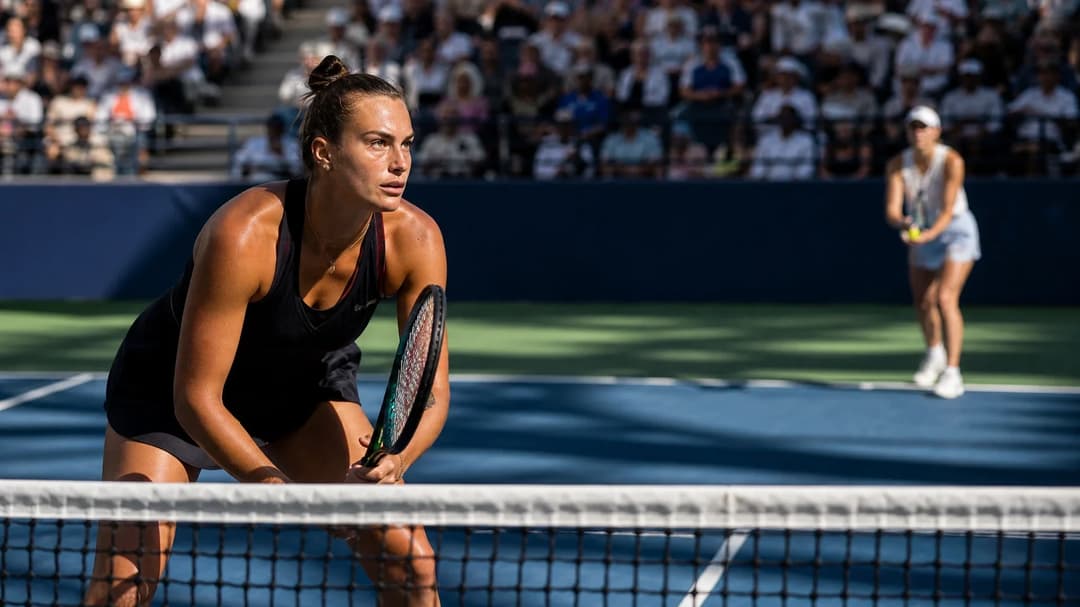
There is a point - and we have surely passed it - where dominance stops being impressive and starts being a problem. Aryna Sabalenka's 7-5, 6-2 demolition of Jessica Pegula in Thursday's US Open semi-final was not a contest. It was a coronation rehearsal disguised as a tennis match.
Four consecutive US Open finals. Eight straight hard-court Grand Slam deciders. Twenty-nine winners and seven aces against a player seeded third in the draw. The numbers are staggering - and they should trouble anyone who cares about the competitive health of women's tennis on its most-played surface.
Consider Pegula's predicament. She has reached three consecutive US Open semi-finals. She has won two of her last three encounters with Sabalenka on tour. She arrived in New York with 50 match wins this season - more than anyone else on the WTA circuit. And yet, when it mattered most, she was brushed aside with an air of inevitability that bordered on the dispiriting.
Pegula herself seemed to sense the futility. Her post-match comments were gracious but resigned, joking about whether her earlier victory over Sabalenka in Berlin had merely lit a fire she could not extinguish. She admitted there was precious little she could have done differently. That is not the language of a player who believes the gap can be closed. It is the language of someone who has accepted a hierarchy.
Elena Rybakina, who meets Sabalenka in Saturday's final, will take over as world number one regardless of the result. That is a fine statistical achievement built on relentless consistency across the season - 47 wins and an Australian Open title. But ascending to number one while your chief rival is reeling off hard-court Grand Slam finals like clockwork tells you everything about the split nature of this ranking.
Rybakina has earned her moment. Yet there is a difference between accumulating enough points to sit atop a spreadsheet and genuinely threatening to beat Sabalenka on a hard court when a Grand Slam trophy is at stake. These are not the same thing, and Saturday will show which version of number one we are dealing with.
To be fair to Sabalenka, none of this is her fault. She cannot be blamed for winning too comprehensively. The criticism belongs elsewhere - directed at a generation of rivals who have collectively failed to solve her hard-court game when the stakes are highest. Pegula cannot do it. Gauff, dispatched by Rybakina in the other semi-final, has not managed it either.
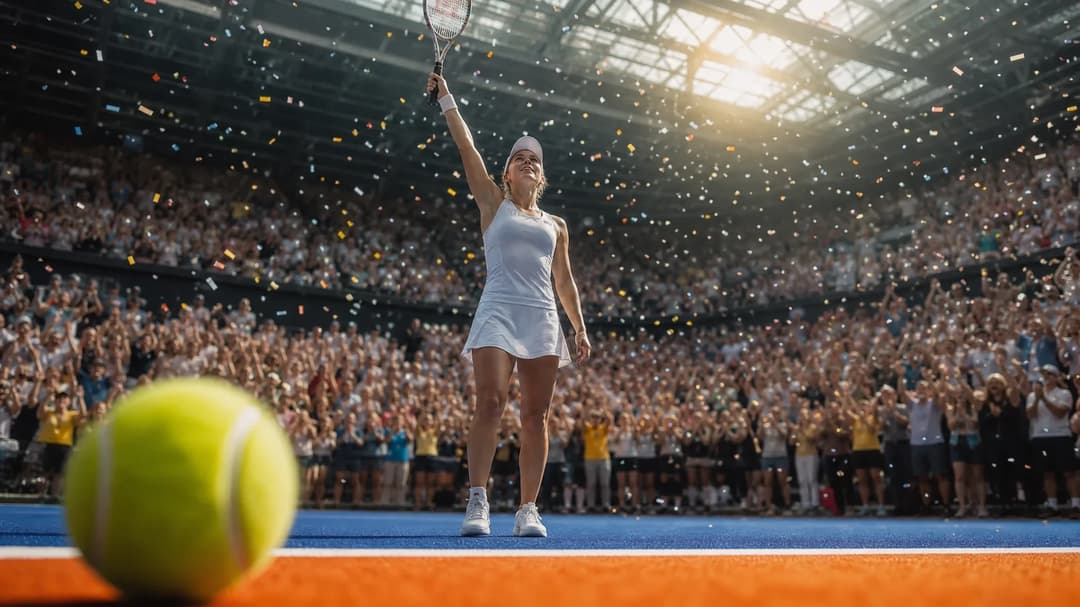
Sabalenka is chasing a third straight US Open crown. If she gets it, the women's hard-court game will have a genuine competitive problem - not because one player is too good, but because nobody else has shown the tactical imagination or the mental resilience to stop her when it counts.
Rybakina has one match to prove otherwise. The sport needs her to make it interesting.
Written by
Updated
Copyright 2026 VIASPORT
Eva Hernández, Editor-in-Chief
VIASPORT uses AI to generate, enhance, and quality-assure its journalism. While we strive to create engaging and accurate material, imagery, grammar, and spelling may occasionally deviate from conventional standards.